AI

Zoom vs Asana

Honest comparison for 2026 — features, pricing, and verdict
Zoom

Zoom

(4.5/5)
Paid
vs
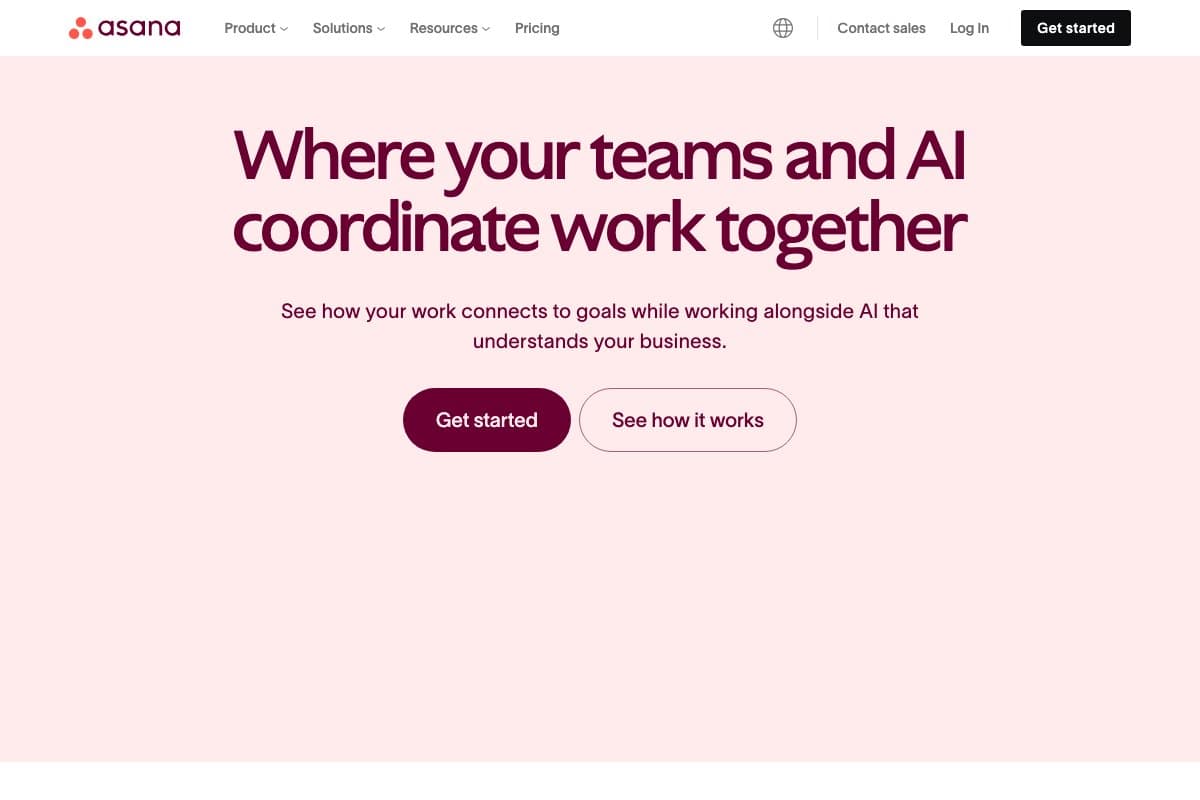
Asana homepage and features

Asana

(4.5/5)
Freemium

Last updated March 29, 2026

Quick Overview

Zoom vs Asana comparison
AttributeZoomAsana
Rating
(4.5/5)
(4.5/5)
PricingPaidFreemium
CategoryAIPerformance Monitoring
Top features
  • video conferencing
  • screen sharing
  • meeting recording
  • virtual backgrounds
  • task management
  • team collaboration
  • project tracking
  • workflow automation
Strengths
  • Enhanced Productivity: Zoom enables teams to communicate and collaborate efficiently, regardless of their physical location, saving time and resources spent on travel and logistics.
  • Improved Communication: With high-quality audio and video, participants can engage in clear and effective communication, picking up on non-verbal cues and maintaining a personal connection.
  • Increased Flexibility: Zoom allows participants to join meetings from any device, anywhere in the world, providing the flexibility to work remotely or attend events on-the-go.
  • Intuitive interface
  • Strong collaboration features
  • Flexible project views
WeaknessesNot available
  • Can be overwhelming for simple projects
  • Limited reporting in free plan
  • Steep learning curve for advanced features
Full reviewRead Zoom reviewRead Asana review

Feature Comparison

Feature comparison between Zoom and Asana
FeatureZoomAsana
Video conferencing
Screen sharing
Meeting recording
Virtual backgrounds
Real-time chat
Breakout rooms
Calendar integration
HD/4K video quality
Task management
Team collaboration
Project tracking
Workflow automation
Timeline/gantt charts
Progress monitoring
Resource allocation
Custom workflows

Pricing Comparison

Zoom

Model: Paid

Full pricing details

Asana

Model: Freemium

Full pricing details

Strengths and Weaknesses

Zoom

Strengths

  • Enhanced Productivity: Zoom enables teams to communicate and collaborate efficiently, regardless of their physical location, saving time and resources spent on travel and logistics.
  • Improved Communication: With high-quality audio and video, participants can engage in clear and effective communication, picking up on non-verbal cues and maintaining a personal connection.
  • Increased Flexibility: Zoom allows participants to join meetings from any device, anywhere in the world, providing the flexibility to work remotely or attend events on-the-go.
  • Cost-Effective: By eliminating the need for physical meeting spaces and reducing travel expenses, Zoom helps businesses save costs while maintaining productive collaboration.

Asana

Strengths

  • Intuitive interface
  • Strong collaboration features
  • Flexible project views
  • Excellent mobile app
  • Good free plan

Weaknesses

  • Can be overwhelming for simple projects
  • Limited reporting in free plan
  • Steep learning curve for advanced features

Which Should You Choose?

Choose Zoom if...

  • You value enhanced Productivity: Zoom enables teams to communicate and collaborate efficiently, regardless of their physical location, saving time and resources spent on travel and logistics.
  • You value improved Communication: With high-quality audio and video, participants can engage in clear and effective communication, picking up on non-verbal cues and maintaining a personal connection.
Read full review

Choose Asana if...

  • You want to start with a free plan
  • You value intuitive interface
  • You value strong collaboration features
Read full review

Read the Full Reviews

More Comparisons

Explore more

Common Questions

What is the difference between Zoom and Asana?

Zoom and Asana are both ai tools, but they differ in features, pricing, and target audience. Read our detailed comparison above for a side-by-side breakdown.

Which is better, Zoom or Asana?

The better choice depends on your specific needs. Zoom may be better for some use cases, while Asana excels in others. Check the "Which Should You Choose?" section for personalized guidance.

Can I switch from Zoom to Asana?

Most ai tools support data export and import. Check both tools' documentation for migration guides and compatibility details.