Customer Relationship Management

Zoho Crm vs Apollo

Honest comparison for 2026 — features, pricing, and verdict
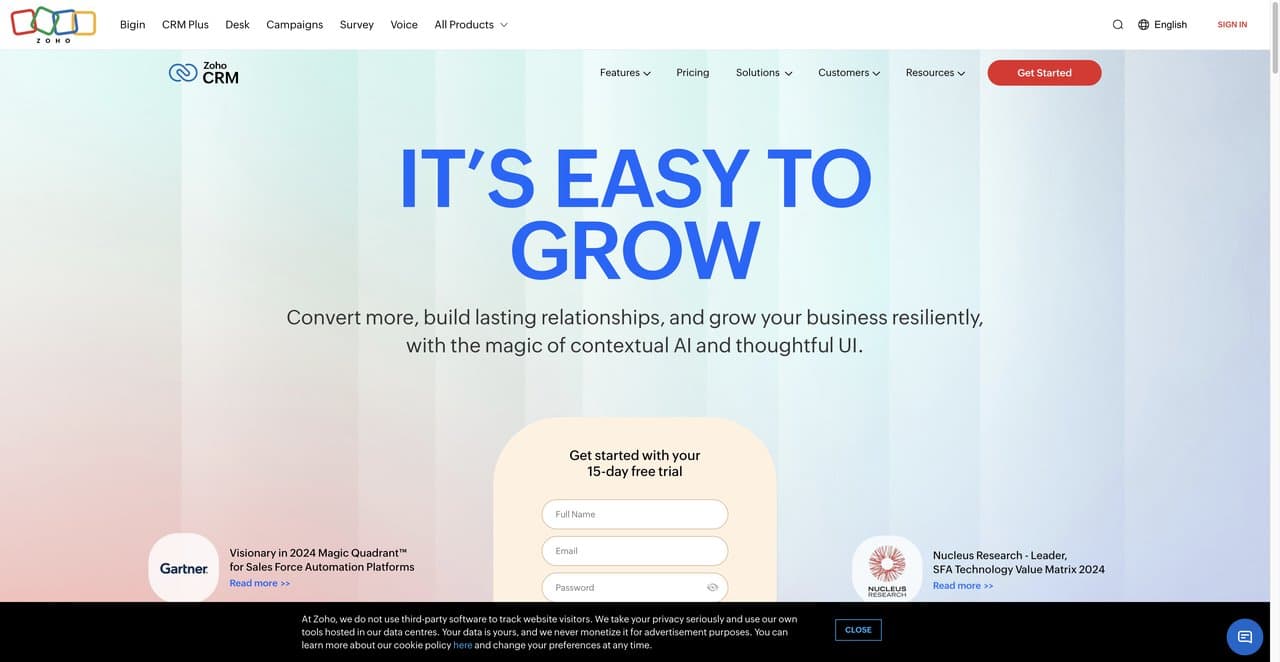
Zoho Crm screenshot

Zoho Crm

(4.5/5)
Paid
vs
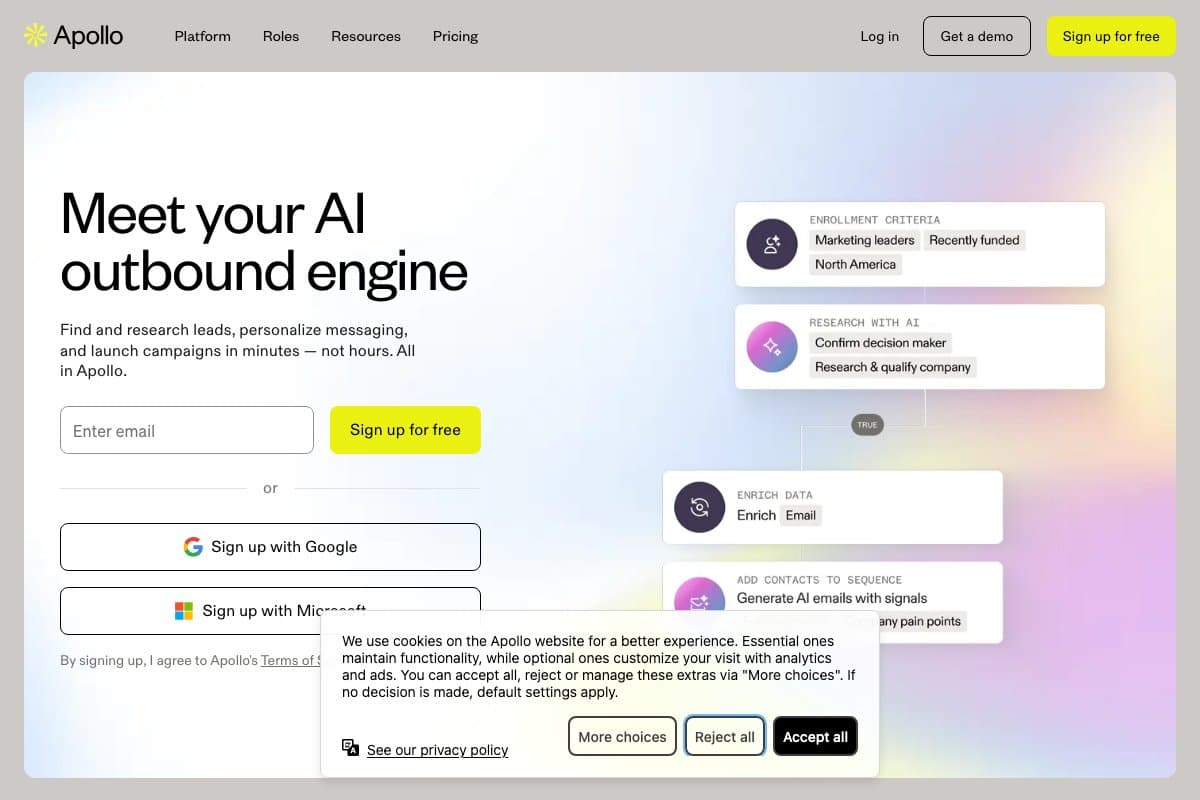
Apollo homepage and features

Apollo

(4.5/5)
Freemium

Last updated March 29, 2026

Quick Overview

Zoho Crm vs Apollo comparison
AttributeZoho CrmApollo
Rating
(4.5/5)
(4.5/5)
PricingPaidFreemium
CategoryCustomer Relationship ManagementEmail Automation
Top features
  • sales pipeline management
  • contact management
  • lead scoring
  • email automation
  • contact database
  • email sequences
  • CRM functionality
  • sales intelligence
Strengths
  • Increased Productivity: Zoho CRM automates repetitive tasks and streamlines processes, allowing your team to focus on high-value activities and close more deals.
  • Improved Collaboration: Zoho CRM facilitates seamless collaboration among team members, ensuring everyone is aligned and working together towards common goals.
  • Enhanced Decision-Making: Powerful reporting and analytics features provide real-time visibility into your sales performance, enabling informed decision-making and strategic planning.
  • Large contact database
  • Generous free plan
  • All-in-one solution
WeaknessesNot available
  • Data accuracy inconsistencies
  • Interface can be cluttered
  • Limited customization options
Full reviewRead Zoho Crm reviewRead Apollo review

Feature Comparison

Feature comparison between Zoho Crm and Apollo
FeatureZoho CrmApollo
Sales pipeline management
Contact management
Lead scoring
Email automation
Sales forecasting
Workflow automation
Reporting and analytics
Team collaboration
Contact database
Email sequences
CRM functionality
Sales intelligence
Email tracking
Contact enrichment

Pricing Comparison

Zoho Crm

Model: Paid

Full pricing details

Apollo

Model: Freemium

Full pricing details

Strengths and Weaknesses

Zoho Crm

Strengths

  • Increased Productivity: Zoho CRM automates repetitive tasks and streamlines processes, allowing your team to focus on high-value activities and close more deals.
  • Improved Collaboration: Zoho CRM facilitates seamless collaboration among team members, ensuring everyone is aligned and working together towards common goals.
  • Enhanced Decision-Making: Powerful reporting and analytics features provide real-time visibility into your sales performance, enabling informed decision-making and strategic planning.
  • Scalability and Flexibility: Zoho CRM grows with your business, offering the flexibility to customize and expand as your needs evolve, ensuring long-term success.

Apollo

Strengths

  • Large contact database
  • Generous free plan
  • All-in-one solution
  • Competitive pricing
  • Good email deliverability

Weaknesses

  • Data accuracy inconsistencies
  • Interface can be cluttered
  • Limited customization options
  • Customer support response time

Which Should You Choose?

Choose Zoho Crm if...

  • You value increased Productivity: Zoho CRM automates repetitive tasks and streamlines processes, allowing your team to focus on high-value activities and close more deals.
  • You value improved Collaboration: Zoho CRM facilitates seamless collaboration among team members, ensuring everyone is aligned and working together towards common goals.
Read full review

Choose Apollo if...

  • You want to start with a free plan
  • You value large contact database
  • You value generous free plan
Read full review

Read the Full Reviews

More Comparisons

Explore more

Common Questions

What is the difference between Zoho Crm and Apollo?

Zoho Crm and Apollo are both customer relationship management tools, but they differ in features, pricing, and target audience. Read our detailed comparison above for a side-by-side breakdown.

Which is better, Zoho Crm or Apollo?

The better choice depends on your specific needs. Zoho Crm may be better for some use cases, while Apollo excels in others. Check the "Which Should You Choose?" section for personalized guidance.

Can I switch from Zoho Crm to Apollo?

Most customer relationship management tools support data export and import. Check both tools' documentation for migration guides and compatibility details.