AI

Rows AI vs Clay

Honest comparison for 2026 — features, pricing, and verdict

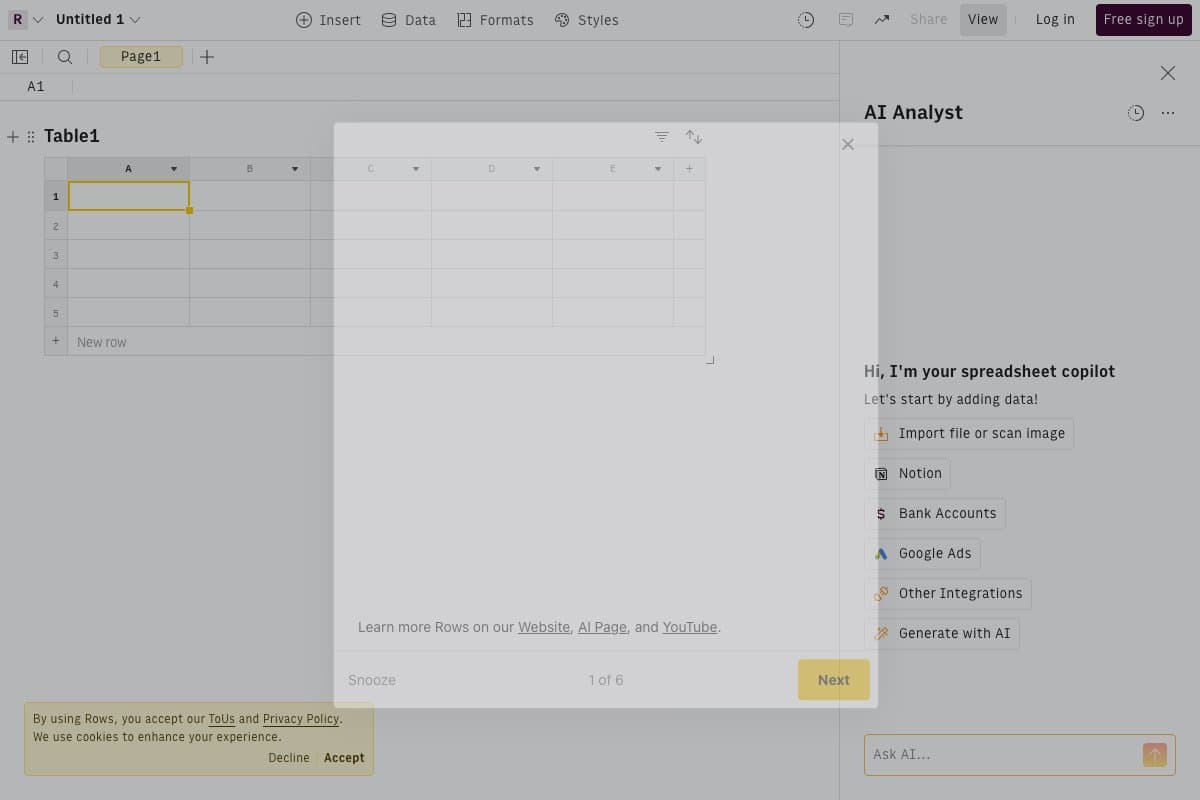
Rows AI homepage interface and features - marketing tool review

Rows AI

(4.5/5)
Paid
vs
Clay homepage interface - marketing tool review

Clay

(4.5/5)
Freemium

Last updated April 19, 2026

Quick Overview

Rows AI vs Clay comparison
AttributeRows AIClay
Rating
(4.5/5)
(4.5/5)
PricingPaidFreemium
CategoryAIAI
Top features
  • AI-powered automation
  • spreadsheet management
  • data analysis
  • workflow automation
  • workflow automation
  • data enrichment
  • lead management
  • email outreach
Strengths
  • Intuitive user interface that requires minimal training
  • Comprehensive feature set for diverse business needs
  • Scalable architecture that grows with your organization
  • Specialized Business Tools Focus: Built specifically for business automation needs, not a generic solution
  • User-Friendly Design: Intuitive interface that reduces learning curve for new users
  • Reliable Performance: Consistent uptime and responsive platform for daily business tools work
WeaknessesNot available
  • Learning Curve: Advanced features may require training for full utilization
  • Pricing Considerations: Cost may be prohibitive for very small businesses or solopreneurs
  • Feature Complexity: Extensive capabilities might be overwhelming for simple business tools needs
Full reviewRead Rows AI reviewRead Clay review

Feature Comparison

Feature comparison between Rows AI and Clay
FeatureRows AIClay
AI-powered automation
Spreadsheet management
Data analysis
Workflow automation
Collaborative editing
API integrations
Formula generation
Data visualization
Data enrichment
Lead management
Email outreach
CRM integration
API connectivity
Bulk operations
Prospecting automation

Pricing Comparison

Rows AI

Model: Paid

Full pricing details

Clay

Model: Freemium

Full pricing details

Strengths and Weaknesses

Rows AI

Strengths

  • Intuitive user interface that requires minimal training
  • Comprehensive feature set for diverse business needs
  • Scalable architecture that grows with your organization
  • Strong integration ecosystem with popular business tools
  • Regular updates and feature improvements
  • Responsive customer support and documentation

Clay

Strengths

  • Specialized Business Tools Focus: Built specifically for business automation needs, not a generic solution
  • User-Friendly Design: Intuitive interface that reduces learning curve for new users
  • Reliable Performance: Consistent uptime and responsive platform for daily business tools work
  • Integration Ecosystem: Connects with popular tools already in your business automation stack
  • Scalable Architecture: Grows with your business from startup to enterprise

Weaknesses

  • Learning Curve: Advanced features may require training for full utilization
  • Pricing Considerations: Cost may be prohibitive for very small businesses or solopreneurs
  • Feature Complexity: Extensive capabilities might be overwhelming for simple business tools needs

Which Should You Choose?

Choose Rows AI if...

  • You value intuitive user interface that requires minimal training
  • You value comprehensive feature set for diverse business needs
Read full review

Choose Clay if...

  • You want to start with a free plan
  • You value specialized Business Tools Focus: Built specifically for business automation needs, not a generic solution
  • You value user-Friendly Design: Intuitive interface that reduces learning curve for new users
Read full review

Read the Full Reviews

More Comparisons

Explore more

Common Questions

What is the difference between Rows AI and Clay?

Rows AI and Clay are both ai tools, but they differ in features, pricing, and target audience. Read our detailed comparison above for a side-by-side breakdown.

Which is better, Rows AI or Clay?

The better choice depends on your specific needs. Rows AI may be better for some use cases, while Clay excels in others. Check the "Which Should You Choose?" section for personalized guidance.

Can I switch from Rows AI to Clay?

Most ai tools support data export and import. Check both tools' documentation for migration guides and compatibility details.